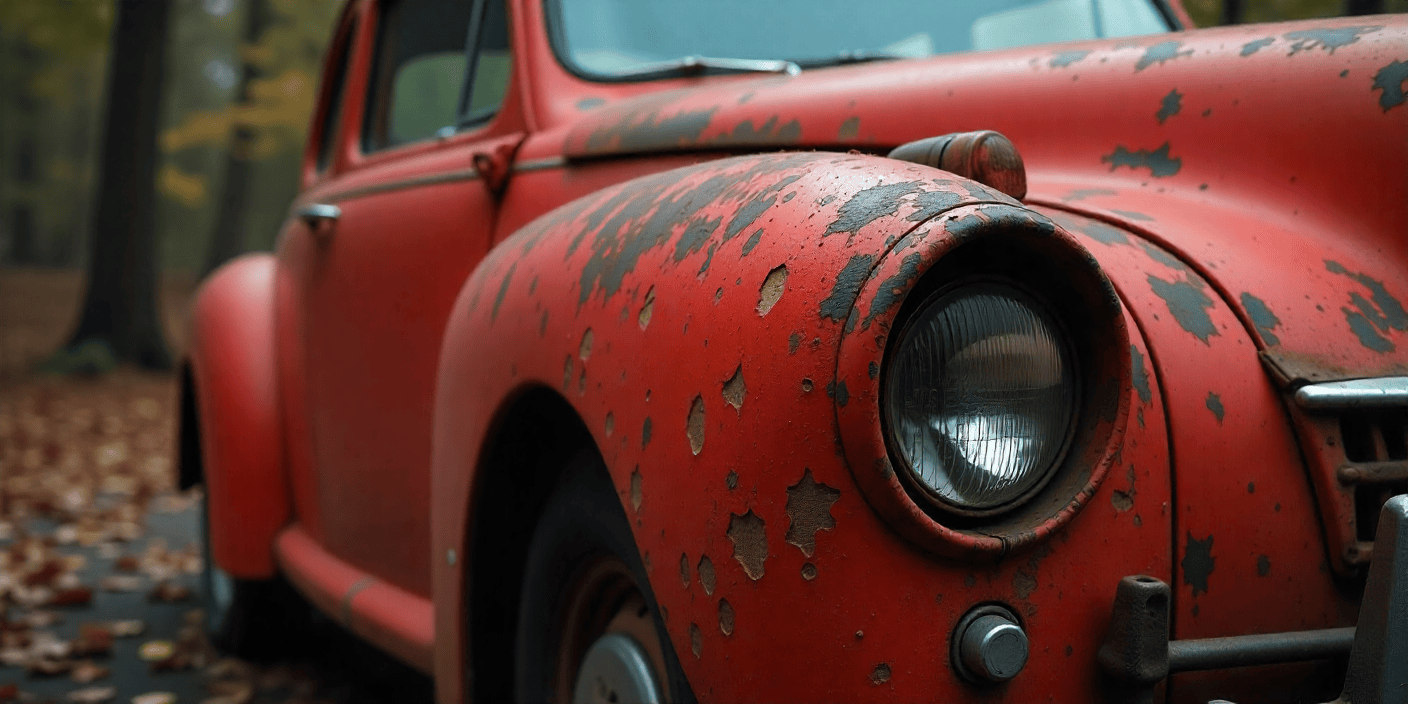
Rust is a car owner’s worst nightmare. It’s a silent killer, slowly eating away at your vehicle’s metal. This damage can seriously hurt its value. It can even compromise its safety. But don’t despair! You can often tackle rust yourself. This DIY guide shows how can you fix rust on a car. You can save your beloved vehicle. You can also save a lot of money.Ignoring rust is never a good idea. It spreads quickly. Early action is key. Let’s learn to spot it, treat it, and prevent it.
Rust is simply oxidation. It happens when iron or steel reacts with oxygen and water. Car bodies are made of steel. So, they are always at risk. Moisture, salt, and exposure speed up this process.
Tiny scratches or chips expose bare metal. Water and oxygen then get to work. Salt, common near coastal areas like Sydney, makes it worse. It acts as a catalyst for corrosion. Even road grime can trap moisture. This creates the perfect breeding ground for rust.
Common rust spots include wheel arches. Door sills are also vulnerable. The undercarriage is often hit. Anywhere moisture can pool is a target.
Before you fix rust, know what kind you have. Different types need different approaches. Understanding this helps you decide how can you fix rust on a car.
This is the earliest stage of rust. It looks like light orange or brown spots. You might see it on paint chips or minor scratches. It sits only on the surface. The underlying metal is usually still sound. This type is the easiest to repair. Catch it early for best results.
Scale rust is more advanced. The paint might bubble or blister. You might see flaking metal. The rust has begun to eat into the metal. It creates small pits. This type requires more effort. You need to thoroughly remove all corroded material.
This is the most serious form. Rust has eaten completely through the metal. You will see actual holes in the body panel. This damage can compromise structural integrity. DIY repair for this type is very difficult. It often needs professional welding. In some cases, the car might be beyond economical repair. This is when you consider options like selling to a wrecker.
Having the right gear makes rust repair much easier. Always prioritise safety first. Wear protective equipment. This list covers most DIY rust jobs. It ensures you have what you need for how can you fix rust on a car.
Safety Gear:
Rust Removal:
Repair & Finishing:
Ready to tackle that rust? Follow these steps carefully. Take your time. Patience leads to better results. This detailed process explains how can you fix rust on a car.
First, clean the rusty area thoroughly. Use soap and water. Dry it completely. Inspect the rust. Determine if it’s surface, scale, or penetrating. Use masking tape to mark off the affected spot. Extend the tape a few inches beyond the rust. This protects the surrounding paint.
This is the most crucial step. All rust must go. For surface rust, use 80-grit sandpaper. Sand until you see bare, shiny metal. For scale rust, you might need a wire brush or an angle grinder. Grind away all flaking metal. Continue until you reach solid metal. Feather the edges of the paint. This helps blend the new paint later. Wipe away all dust and debris. Use wax and grease remover.
Even if you sanded well, tiny rust particles can remain. Apply a rust converter or encapsulator. This chemically neutralises any remaining rust. It turns rust into a stable, black surface. Follow the product instructions. Let it dry completely. This creates a good base. It prevents rust from returning.
If there are pits or small holes, use body filler. Mix the filler with its hardener. Do this according to package directions. Work quickly, as it hardens fast. Apply thin layers with a plastic spreader. Press it firmly into the pits. Slightly overfill the area. This allows for sanding. Allow each layer to dry fully.
Once the filler is hard, it’s time to sand. Start with 120-grit sandpaper. Sand the filler until it’s almost flush. Then move to 220-grit. Create a smooth, even surface. Ensure it blends seamlessly with the surrounding metal. The repair should be level and smooth to touch. Use a sanding block for flat areas.
Mask off the area again. Use primer over the bare metal and filler. Apply several thin coats. Allow drying time between coats. Primer creates a uniform base. It helps the topcoat adhere better. Etching primer is good for bare metal. High-build primer fills minor imperfections.
Once the primer is dry, apply your colour-matched paint. Spray thin, even coats. Overlap each pass slightly. Allow appropriate drying time. Multiple thin coats are better than one thick one. This prevents runs. After the paint, apply a clear coat. This protects the paint. It adds a glossy finish. It also makes the repair look professional.
After the clear coat dries, gently polish the area. Use a fine-grit sandpaper (1500-2000 grit) wet sanding. Then use a rubbing compound. This blends the new paint. It creates a seamless finish. Stand back and admire your work! You now know how can you fix rust on a car yourself.
While a DIY approach is great for small rust spots, some jobs are too big. Or they are too complex. Knowing your limits is important. Don’t risk your car’s safety.
If your car has severe, widespread, or structural rust, consider professional repair. Or, it might be time to sell your car. Companies like Mega Car Wreckers can buy vehicles in any condition. We offer cash for cars, even heavily rusted ones. This saves you repair costs. It also frees up your driveway.
The best way to fix rust is to prevent it. Simple maintenance goes a long way.
Can I really fix rust on a car myself?
Yes, you can. Small surface rust spots are quite manageable for DIY enthusiasts. Larger or penetrating rust is much harder. It might need a pro.
What is the best product to fix car rust?
There’s no single “best” product. You need a good rust converter. Quality automotive primer, paint, and clear coat are also vital. Brands like CRC and Dy-Mark offer good rust converters in Australia.
How much does it cost to fix rust on a car myself?
DIY costs depend on the rust severity. Materials might cost $50-$200. This is far less than professional repair. Professional jobs can be hundreds to thousands.
When should I not bother fixing car rust?
Don’t bother if rust is structural. Or if it’s widespread. If repairs cost more than the car’s value, it’s often not worth it. This is a good time to consider selling. This guide helps with how can you fix rust on a car in simple terms.
Does rust affect my car’s value if I sell it?
Absolutely, yes. Rust severely reduces a car’s resale value. Buyers see it as a major problem. They expect a lower price.
Can Mega Car Wreckers buy my rusty car?
Yes, we buy cars in any condition. This includes vehicles with significant rust. Even if your car is severely rusted, we can offer cash.
Do wreckers take cars with severe rust?
Yes, professional wreckers like us specialise in this. We salvage usable parts. We recycle the metal responsibly. So, if you’re wondering how can you fix rust on a car that’s too far gone, a wrecker is your answer.
Rust can be a headache for any car owner. But with the right knowledge, you can fight back. This guide showed how can you fix rust on a car yourself. You can restore your vehicle’s look. You can also prevent further damage. Remember to assess the rust correctly. Use the right tools. Follow each step carefully. If the rust is too severe, don’t worry. Your car still has value. Consider selling it to a reputable car wrecker. They offer a hassle-free solution. Get cash for your rusty vehicle today.